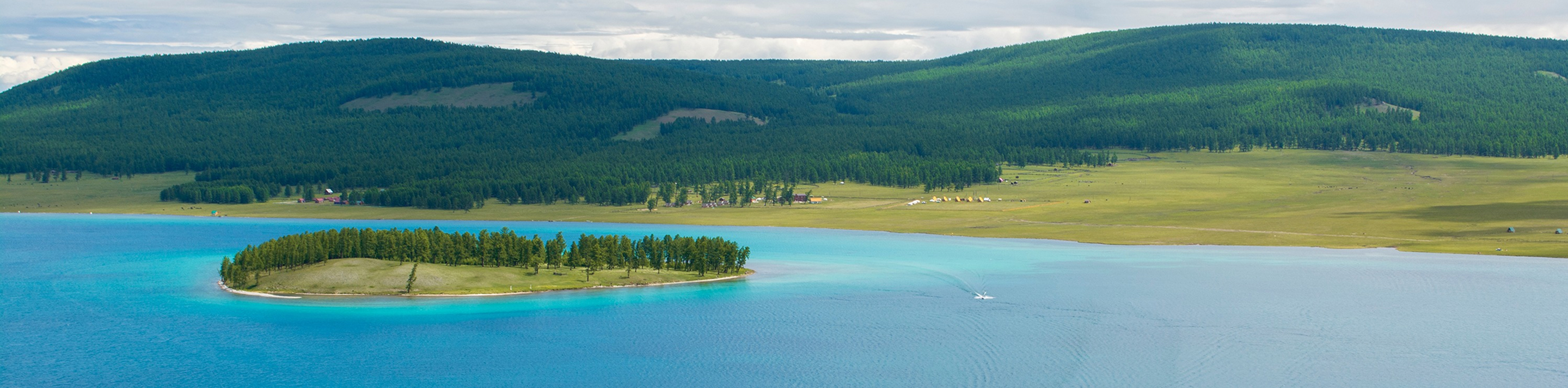
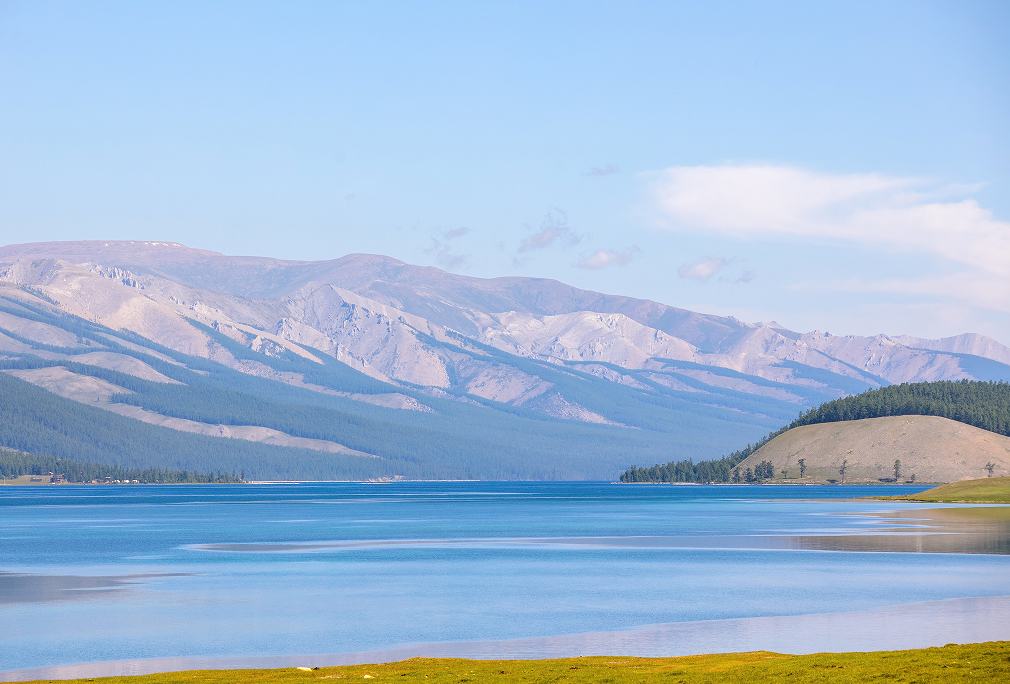
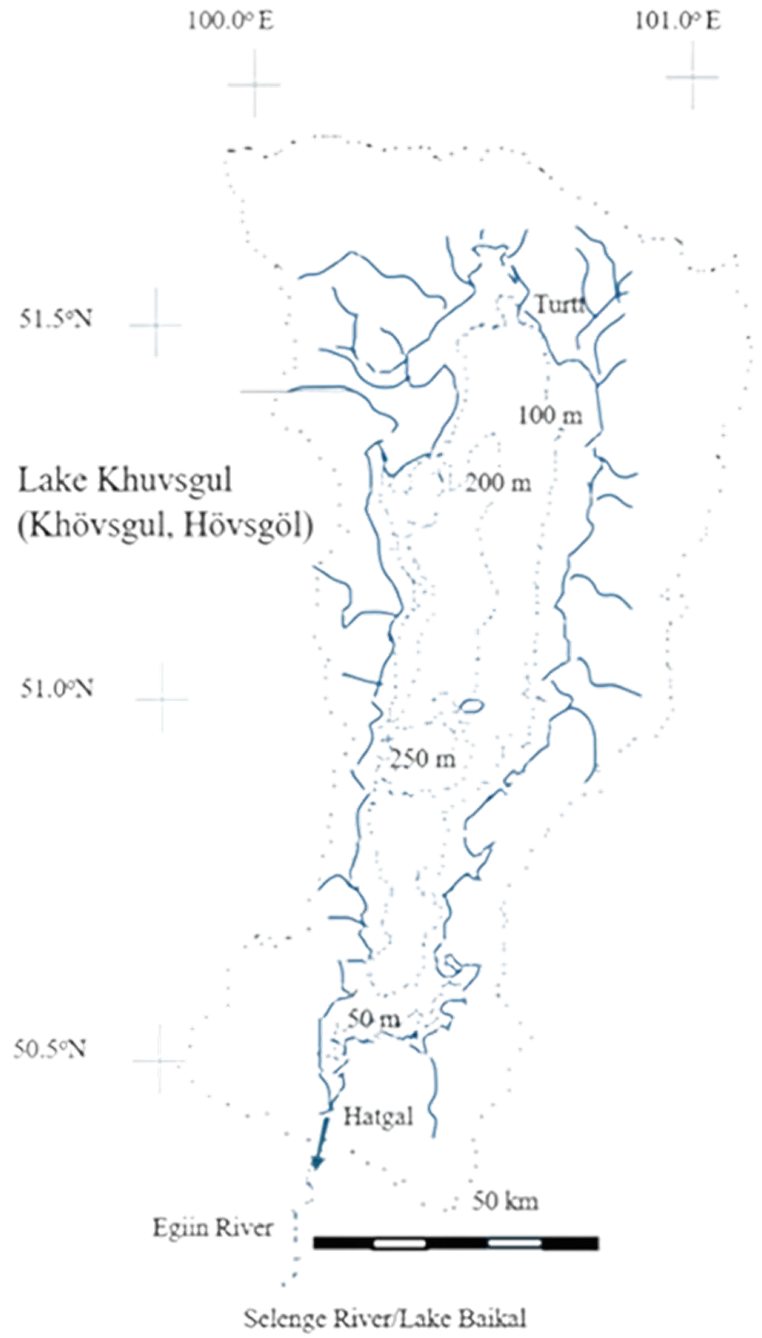
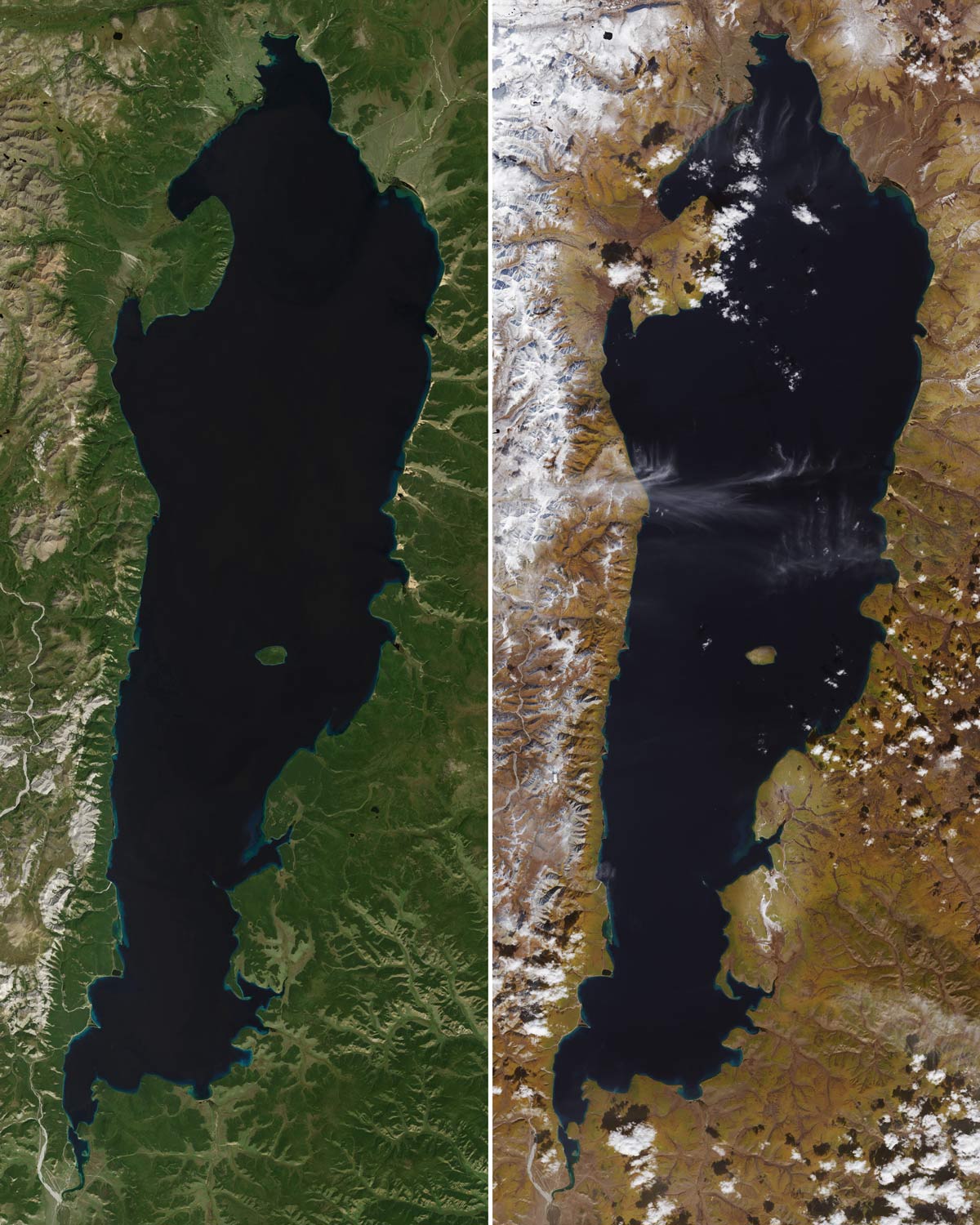
Khuvsgul Lake is located in northern Mongolia, near the border with the Russian Federation. It is Mongolia’s deepest lake and its largest freshwater lake by volume, and forms one of the most important freshwater ecosystems. The lake covers approximately 2,760 km², extends about 136 km from north to south, and reaches a maximum depth of 262 metres. It contains around 383 km³ of water and accounts for approximately 74.6% of Mongolia’s surface-water reserves.
Khuvsgul is an ancient lake, estimated to have existed in its present form for around seven to eight million years. Numerous rivers and streams flow into the lake, while the Eg River is its only surface outflow, linking Khuvsgul to the Selenge River system and ultimately to Lake Baikal.
The lake and its surrounding area support a rich combination of freshwater, taiga forest, mountain and wetland ecosystems. Its clear, nutrient-poor waters and relatively undisturbed surrounding landscapes provide important habitat for fish, birds and wildlife, including several species of conservation importance.
Khuvsgul Lake is also one of Mongolia’s most valued natural and cultural heritage areas. For generations, the lake has been associated with local traditions, legends and spiritual beliefs. The wider region is home to several communities, including the Tsaatan, whose traditional reindeer-herding culture remains closely connected to the northern taiga environment.
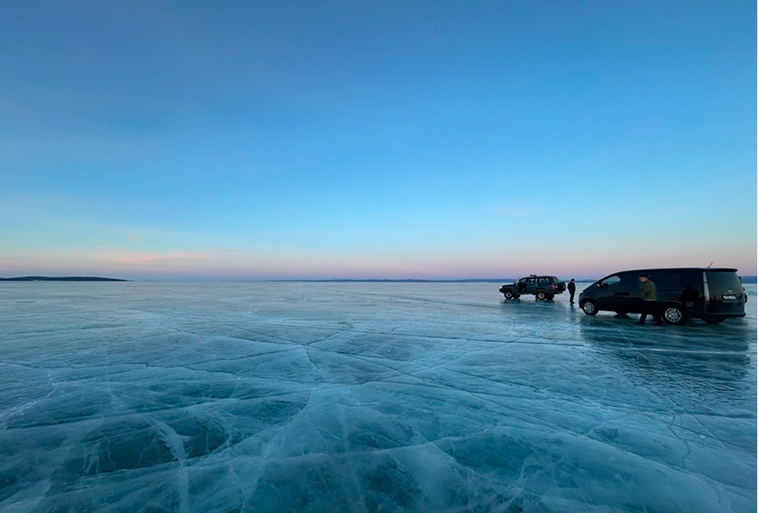
Today, Khuvsgul is one of Mongolia’s major nature-based tourism destinations. During the summer season, boats and other inland waterway vehicles operate on the lake, while the frozen lake has traditionally been used for seasonal transport during winter. These activities, together with growing tourism, underline the importance of responsible navigation, pollution prevention, waste management and protection of the lake’s shoreline and surrounding environment.
The Khuvsgul area has been under state protection since 1992, and forms part of Khuvsgul National Park. In 2022, UNESCO designated the Khuvsgul Lake Biosphere Reserve under its Man and the Biosphere Programme, recognizing the area’s importance for biodiversity conservation, sustainable development, research and environmental education.
In 2026, Khuvsgul became Mongolia’s first lake designated for state worship, reflecting its exceptional environmental value as well as its long-standing cultural and spiritual significance. The first state worship ceremony for the lake was held on 2 August 2026.
Khuvsgul Lake is therefore more than an important freshwater resource. It is a unique natural and cultural heritage of Mongolia, and its protection is essential to preserve its water quality, ecosystems and natural character for future generations.
The Mongolian Maritime Administration is leading Mongolia’s efforts to voluntarily implement the London Protocol framework to prevent pollution of the Lake, and be able to become a Party to the London Protocol. One of the first steps in this process will be to characterize the current or ‘baseline’ condition of the lake. The information collected will help inform future actions to reduce or eliminate sources of pollution and preserve the lake.
Because the Lake is so large and there is so little information currently available about its environmental quality, the SMART-C LC/LP Project is coordinating a joint international project to collect baseline information about the lake and supplement direct efforts to build Mongolia’s research capacity under the Project.